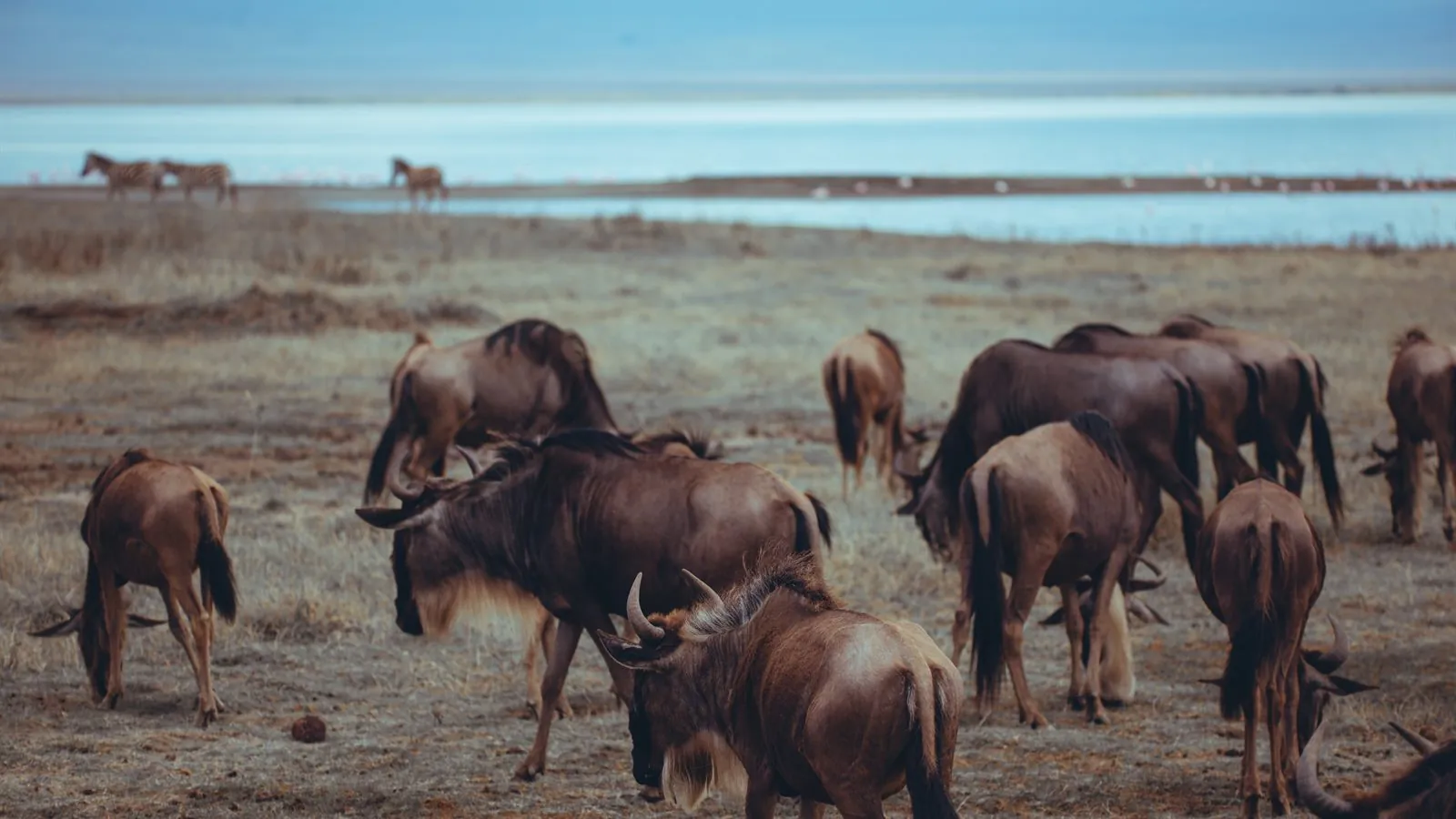
Western Tanzania offers one of East Africa's most distinctive wildlife experiences: travelling across or beside Lake Tanganyika, entering steep tropical forest and following signs of habituated chimpanzee communities with trained trackers.
Where chimpanzee trekking takes place
Gombe Stream National Park
Gombe is a narrow park of forested valleys and ridges on Lake Tanganyika, accessed from Kigoma by boat. Its long history of chimpanzee research gives the destination global significance. Trails can climb steeply from the lakeshore, and trek duration depends on where chimpanzees are moving.
Mahale Mountains National Park
Mahale combines a large mountain forest with remote beaches and clear lake water. Reaching it generally requires more time and expense, often involving charter flights and boat transfers. The reward is a deeply immersive wilderness setting where chimpanzee trekking is one part of a broader lake-and-mountain experience.
Gombe or Mahale?
| Factor | Gombe | Mahale |
|---|---|---|
| Access | Usually via Kigoma and scheduled or private boat | Commonly charter flight plus boat transfer |
| Scale | Compact, steep and historically significant | Large, remote mountain-and-lake wilderness |
| Trip style | Can suit a shorter western extension | Best with more nights and a larger budget |
| Beyond trekking | Lake views, waterfalls and research history | Beaches, forest, boating and extended wilderness time |
The better choice depends on flight schedules, available days, comfort expectations and how much of the western journey you want to experience.
What the trek is actually like
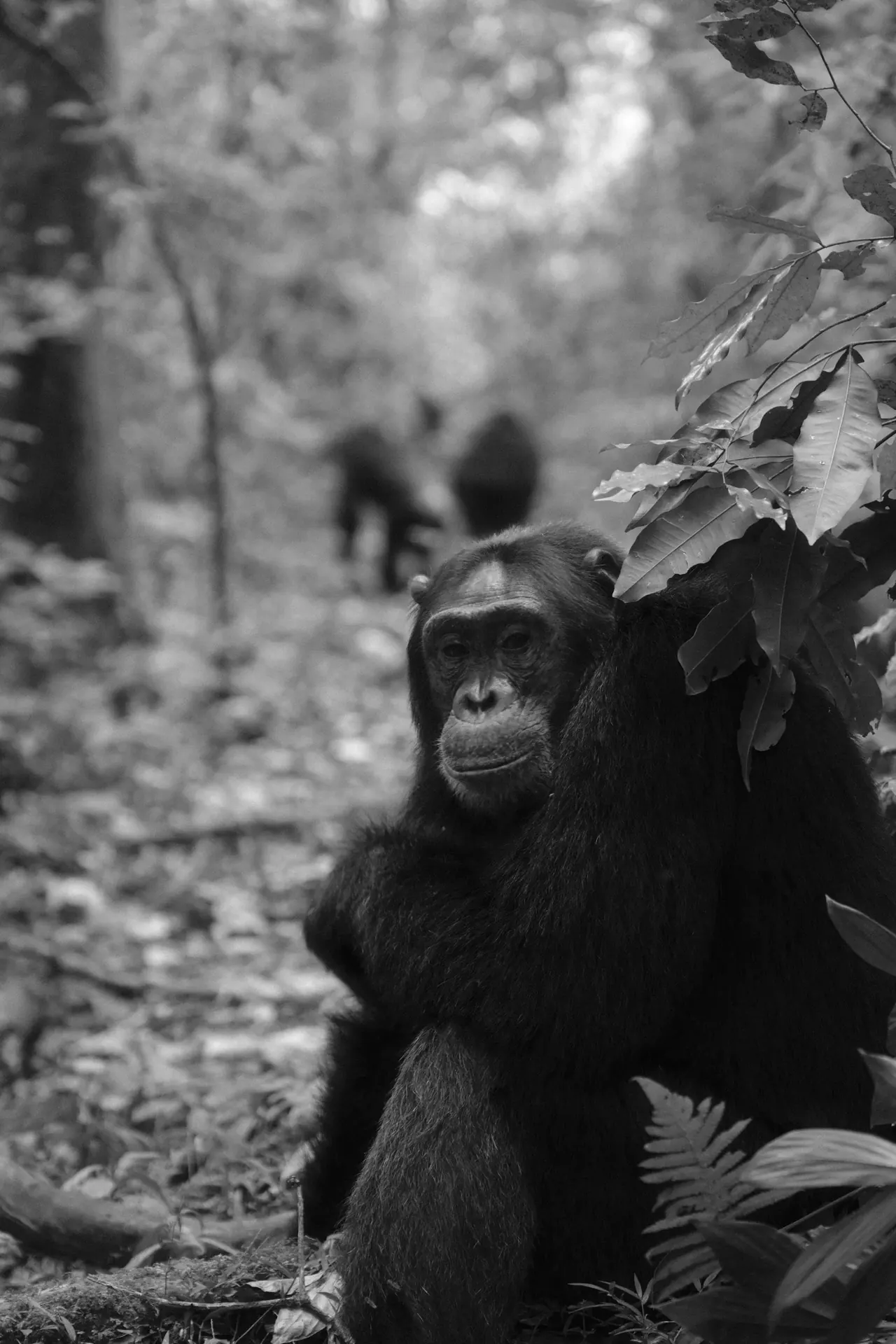
Trackers look for vocalisations, nests, feeding signs and recent movement. The route may begin gently and then climb through humid forest, roots and slippery slopes. Chimpanzees can travel quickly, so guests must be ready to change direction while listening closely to the guide.
Once a habituated group is located, viewing time and distance are controlled by park regulations and current conditions. Dense vegetation may limit photography, but it also provides the ecological context that makes the encounter meaningful.
Chimpanzee location, visibility and behaviour cannot be guaranteed. Trek length changes daily, and health or park rules may affect participation.
Seasons and conditions
Drier months can make trails less slippery, while wetter periods bring lush forest and may influence food distribution. In some seasons chimpanzees can be higher on mountain slopes; at other times food availability may bring them lower. Conditions vary between parks and years, so plan around access as well as weather.
Fitness, clothing and health
- Train with hills and uneven ground before travelling.
- Wear broken-in walking shoes with reliable grip.
- Use long trousers and sleeves for vegetation and insects.
- Carry water, rain protection and a small dry bag.
- Follow health screening and mask requirements communicated by the park.
Chimpanzees share susceptibility to human respiratory illness. Travellers who are unwell should report symptoms honestly and accept that they may be asked not to trek.
Responsible primate viewing
Maintain the required distance, avoid eating near chimpanzees, keep voices low and never imitate calls unless the guide specifically explains an appropriate context. Flash photography is unsuitable. Do not block an animal's path, and be prepared to move immediately when instructed.
Ask about grooming, feeding, hierarchy and forest plants. Trackers and guides can help transform a brief sighting into an understanding of chimpanzee social life.
Why the journey matters
Kigoma's history, Lake Tanganyika's scale and the transition from dry inland landscapes to humid forest give western Tanzania a strong sense of place. Build time for boat schedules, weather and simple moments beside the lake rather than treating transport as an inconvenience to be removed.
Accommodation, meals and lake time
Western properties range from practical park accommodation to remote premium camps. Electricity, connectivity and menu choice may be more limited than in major northern safari areas, so communicate dietary needs early. Extra nights provide resilience when boats or flights are affected by weather and allow time for a second trek, a guided forest walk or quiet time beside Lake Tanganyika. Swimming and boating should only take place where local staff confirm that conditions and park rules permit them.
Combining chimpanzees with safari
Gombe may be combined with flights through Dar es Salaam or with carefully planned western connections. Longer itineraries can pair Mahale with Katavi or connect Gombe to southern and northern safari regions, but domestic flight days and baggage limits must be checked. See our safari budget guide for the cost impact of remote logistics.
Choose enough time for western Tanzania
The most rewarding plan respects boat and flight logistics, includes more than one trekking opportunity where possible and leaves space to appreciate the forest and lake. LuiTours guides connect those landscapes with the people, research and conservation work that give the encounter meaning.
Prepare for an uncertain trek length
Chimpanzees may be close to camp or several hours into steep forest. Eat before departure, carry the permitted water and follow the guide’s advice on footwear, pace and walking poles. Rain can make roots and slopes slippery even in a generally favourable season. A porter can provide valuable support while creating local employment; arrange this through the lodge or guide.
Viewing time and distance follow current park rules, and illness restrictions protect chimpanzees from human disease. If a guest has respiratory or gastrointestinal symptoms, report them instead of hiding them to protect a permit. Masks may be required, flash should stay off, and food must remain packed away during the encounter.
Prepare for western Tanzania before reaching the forest
Gombe and Mahale are not casual add-ons to a northern road safari. Reaching Lake Tanganyika may involve domestic flights, road transfers and boats, with schedules and baggage limits that need coordination. Protect a buffer around important connections and ask who meets each flight or boat. The programmes on Tanzania chimpanzee tours show why the starting city and lake transfer belong in the itinerary description, not in small print.
Keep medicine, documents, rain protection and one trek-ready outfit in cabin baggage. Soft bags are often more practical for smaller aircraft and boats. Remote lodges may have limited shops and charging, so discuss laundry, power and equipment before departure. A western journey rewards the extra logistics with forest, lake and primate context that feels very different from a savannah circuit.
Let the chimpanzees determine the trek
A community may be close to camp or several hours away on steep, slippery ground. Eat before leaving, carry the permitted water and use closed footwear with grip. A walking pole or porter can help on roots and slopes when arranged through the lodge. Pace belongs to the ranger and tracking team; rushing increases falls and does not make wild chimpanzees appear sooner.
Health rules protect chimpanzees from human illness. Report respiratory or gastrointestinal symptoms rather than hiding them to preserve a permit, wear a mask when required, keep food packed away and leave flash off. Viewing time and distance follow current park instructions. Children, mobility-limited travellers and anyone uncertain about steep terrain should discuss suitability before booking; the right alternative may be more lake time or a different primate programme, not pressure to continue.
- Confirm every flight, road and boat handover in the western itinerary.
- Pack rain protection and footwear for steep, slippery forest.
- Report illness before trekking to protect wild chimpanzees.
- Follow ranger distance, mask, food and photography instructions.
- Accept that trek length and the quality of the encounter cannot be guaranteed.
Family, mobility and health decisions
Minimum ages, forest rules and terrain suitability must be confirmed for the chosen park and current programme. Even an eligible child may struggle with long uncertain tracking, quiet observation and steep roots. Families should discuss an adult-and-child alternative so nobody feels forced to continue. A lake activity or lodge nature experience can be a meaningful part of western Tanzania when a trek is not suitable.
Travellers with knee, balance or respiratory concerns should describe them before permits and flights are arranged. A porter and walking pole may help, but they do not remove steep terrain or humidity. The operator can then recommend Gombe, Mahale, a different season or a different itinerary. Honest screening protects the traveller, the group and the chimpanzees, and it prevents a rare permit from becoming a source of unsafe pressure.
Photography in dense forest requires realistic expectations. Light may be low, branches intervene and chimpanzees can move quickly. Keep flash disabled, minimise equipment changes and follow the ranger’s position rather than pushing ahead. A clear image is never worth breaking viewing distance or separating from the group. Sometimes the most accurate memory will be a call through the canopy or a brief expression observed without a camera.