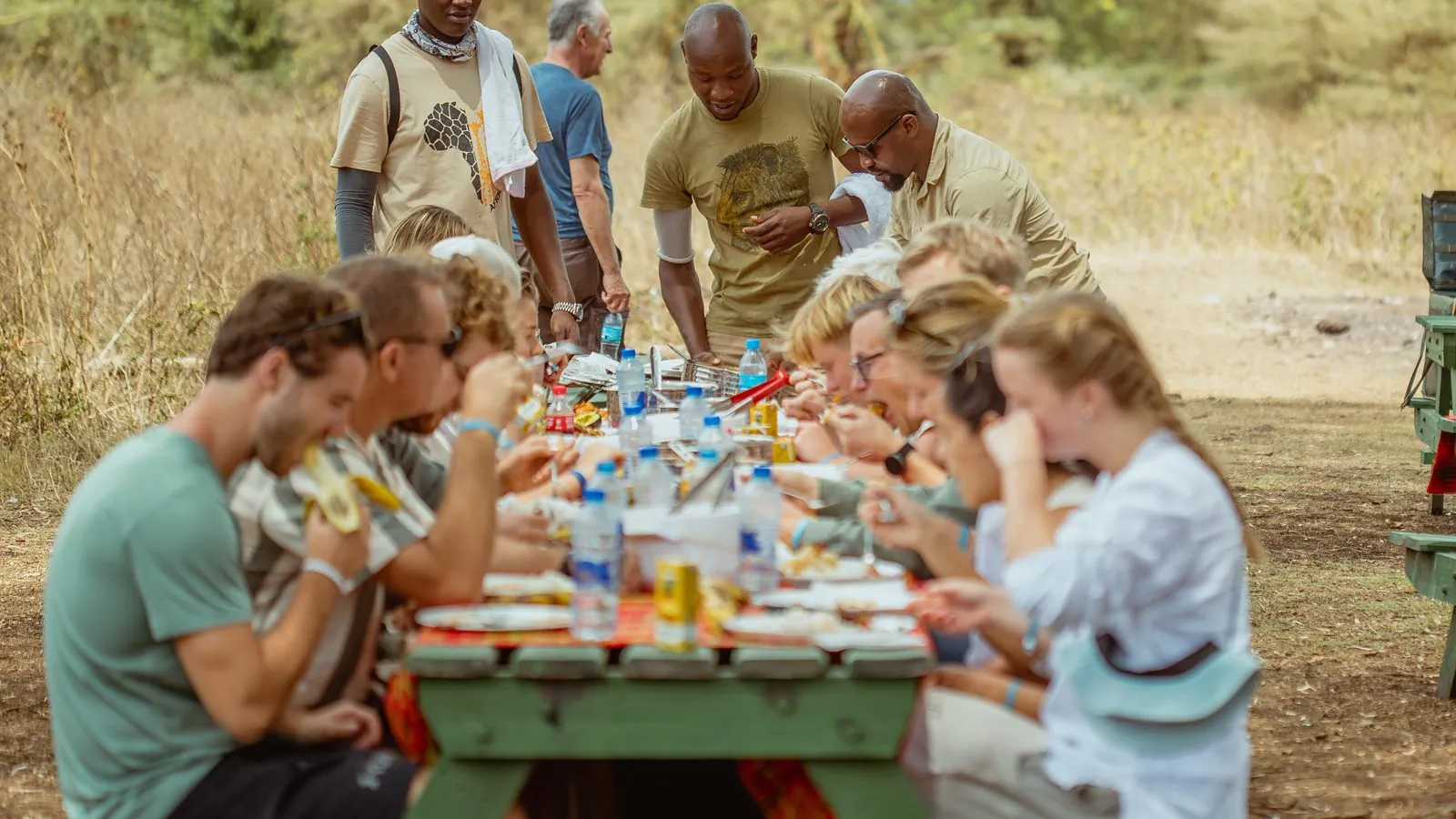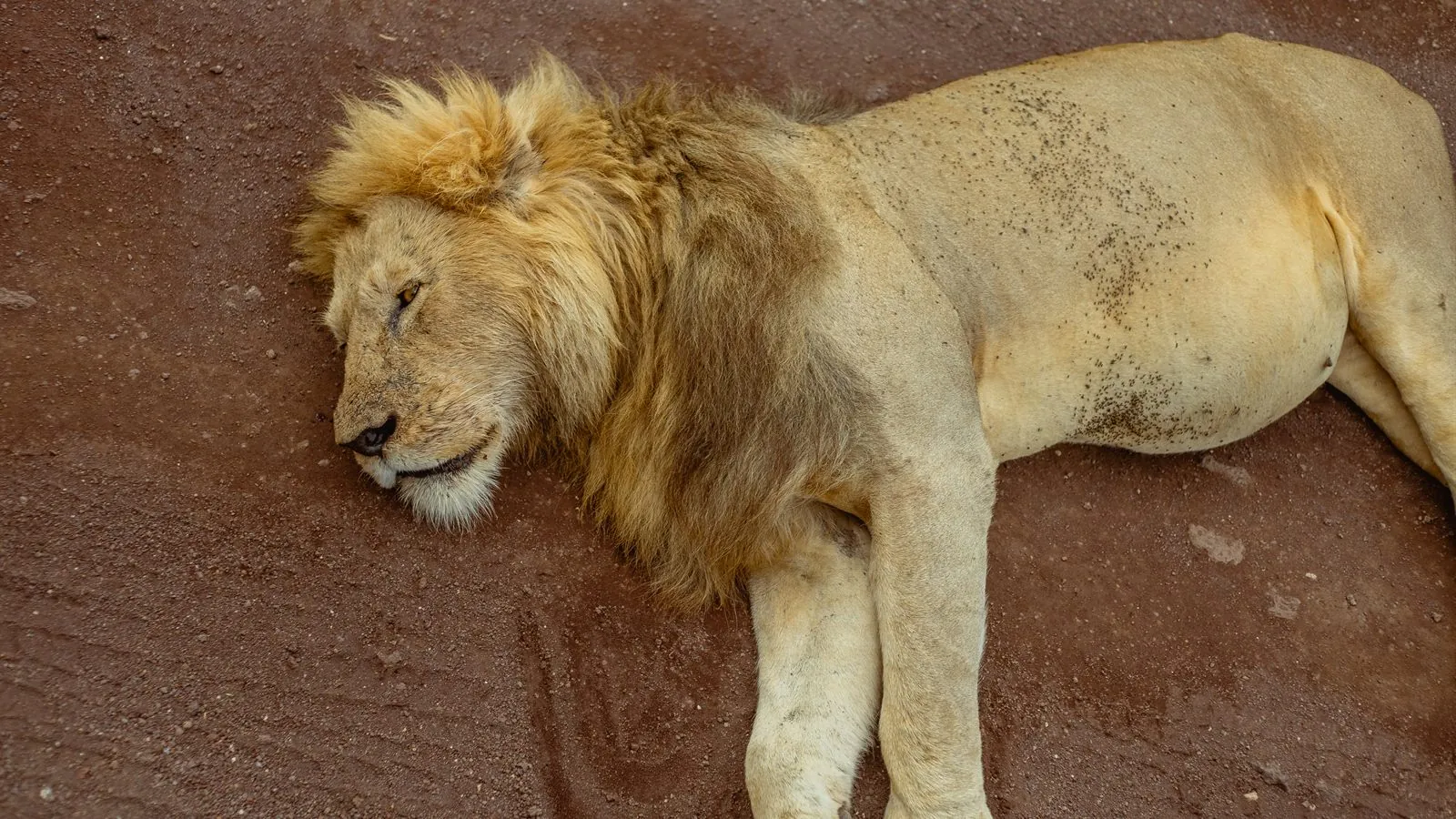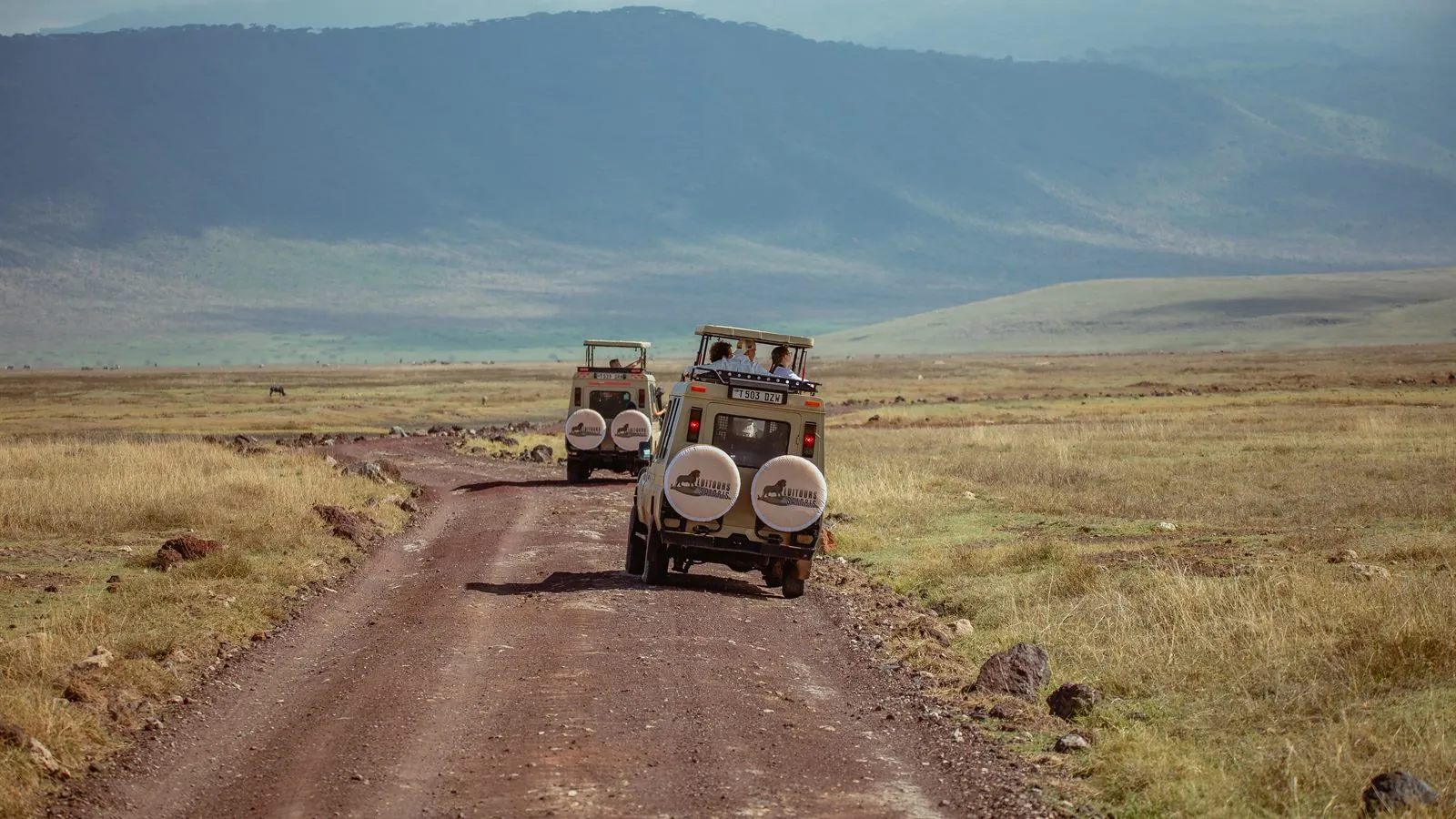
There is no single “best” month for every Tanzania safari. The dry season makes wildlife easier to locate around water, the green season brings dramatic skies and young animals, and the migration shifts through the Serengeti as rainfall changes. The right timing depends on what you most want to experience.
The short answer
For a first safari focused on reliable game viewing and comfortable road conditions, June through October is an excellent window. January and February are especially interesting in the southern Serengeti and Ndutu area, when many wildebeest give birth. November and early December can offer fresh landscapes and fewer vehicles, while April and May are wetter and quieter.
Choose your travel period before choosing a lodge. The best base changes with wildlife movement, road access and the parks you want to combine.
Understanding Tanzania's safari seasons
June to October: the long dry season
Days are generally dry, vegetation becomes thinner and animals gather near permanent water. Tarangire is particularly rewarding as elephants and other wildlife concentrate around the Tarangire River. In the Serengeti, migration herds are commonly in the western or northern areas as the season progresses, but exact timing varies each year.
This is a popular period, so well-positioned camps and lodges should be reserved early. Mornings can be cool, particularly around Ngorongoro and on open safari vehicles.
November to March: short rains and the green season
Short rains usually refresh the plains without producing continuous all-day rain. Photography can be beautiful, migrant birds arrive and many resident animals remain active. From roughly December into March, the southern Serengeti ecosystem often hosts large migration herds, with calving commonly associated with late January and February.
April and May: long rains
These are generally the wettest months. Some remote seasonal camps close and unpaved roads can become difficult. The reward is a quieter atmosphere, green scenery and potential value at properties that remain open. A carefully routed safari can still work, but flexibility matters.
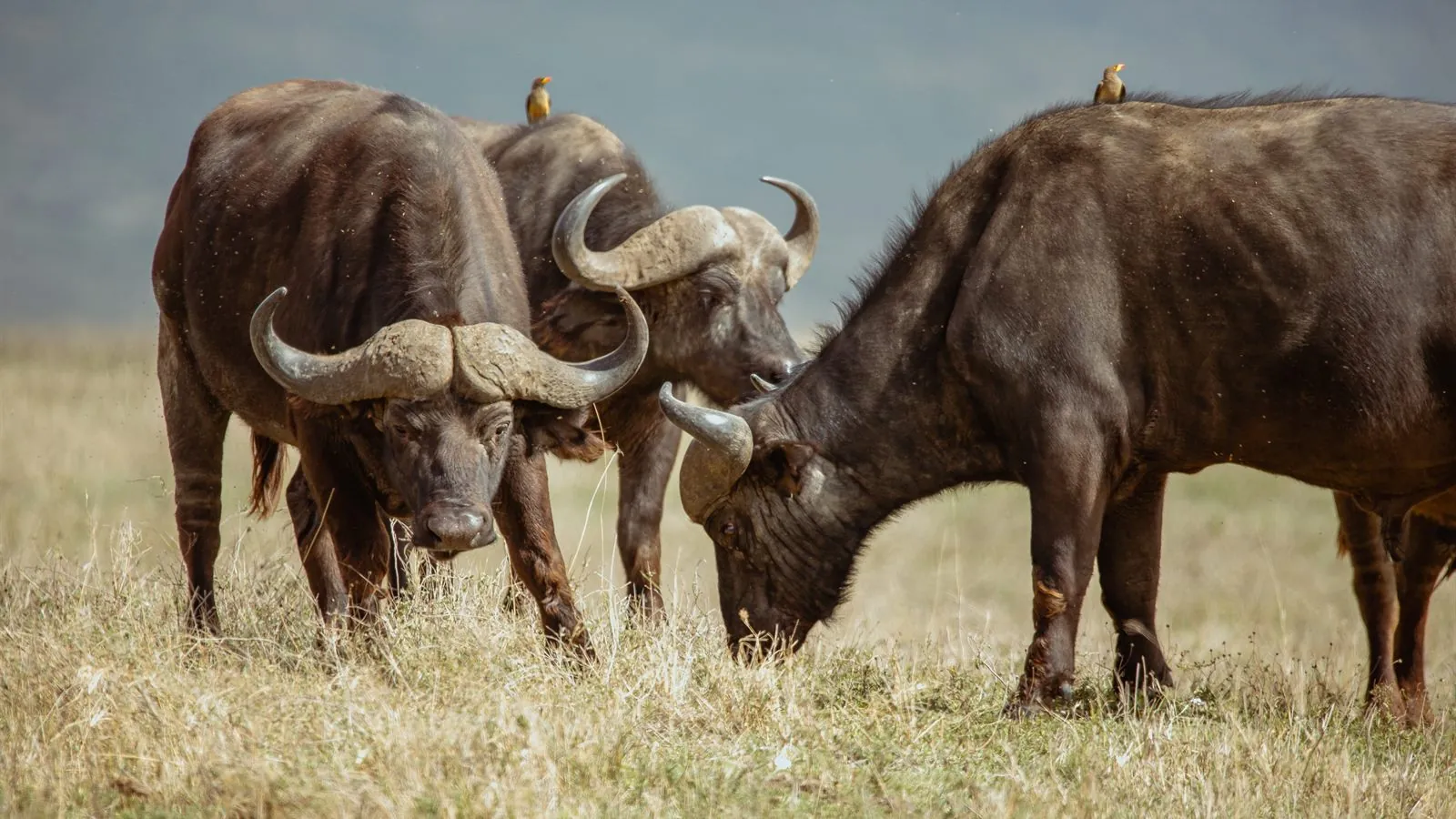
Month-by-month safari guide
| Period | Typical conditions | Best suited to |
|---|---|---|
| January–February | Warm, green and often drier between rain systems | Ndutu calving season, birding and photography |
| March | Rainfall becomes less predictable | Fewer crowds and southern Serengeti journeys |
| April–May | Long rains, lush scenery and some difficult roads | Flexible travellers seeking quiet parks |
| June–July | Drying landscapes and cool mornings | General wildlife viewing and western or northern migration routes |
| August–October | Dry, dusty and dependable game-viewing conditions | Northern Serengeti, Tarangire and classic circuits |
| November–December | Short rains and renewed grass | Green-season value, birdlife and varied photography |
Season labels are useful planning tools, not guarantees. Rain may arrive early or late, and migratory wildlife responds to water and grass rather than a fixed calendar. A local guide uses current conditions to make sensible daily decisions.
When to plan for the Great Migration
The Great Migration is a continuous movement through the Serengeti–Mara ecosystem. Calving, rutting, river crossings and southward movement are different chapters, not one event. Read our Great Migration and Mara River guide before deciding which chapter fits your interests.
No ethical operator can guarantee a river crossing or specific wildlife encounter. Good planning improves your position, while patience and flexibility allow natural behaviour to unfold without pressure.
Balancing weather, crowds and cost
Peak-season prices reflect strong demand and limited beds in wildlife-rich locations. Shoulder periods can offer a better balance of weather, availability and price. Travelling in the green season may reduce accommodation costs, but long transfer days should still be planned realistically.
For a clearer view of park fees, accommodation levels, private vehicles and domestic flights, use our Tanzania safari cost guide.
How to choose your own best time
- Prioritise one or two experiences instead of trying to chase every seasonal highlight.
- Decide whether low visitor numbers matter more than the driest weather.
- Allow enough nights in large parks such as the Serengeti.
- Share mobility, dietary and family needs before the itinerary is built.
- Keep wildlife expectations realistic and value the landscape as well as headline species.
Final planning advice
Start with your dates, interests and comfort level, then let the route follow the season. LuiTours can explain the practical differences between regions and build a private itinerary that spends more time experiencing Tanzania and less time backtracking.
Match the season to the complete route
International flight dates, school holidays and a beach extension can matter as much as a migration calendar. If travel falls in a shoulder month, use camps with dependable access and avoid placing every key experience on one weather-sensitive day. A well-sequenced plan can move from lower, warmer parks to cooler highlands and then to the coast, with clothing and transfer times adjusted for each region.
Ask for the reason behind every seasonal recommendation. “Dry season” is too broad if a proposal uses a distant Serengeti camp, and “green season” is incomplete without explaining roads and camp operation. A useful proposal names the intended wildlife region, likely conditions, alternative activities and what remains uncertain. That reasoning is more valuable than a rigid best-month ranking.
For multi-generation groups, seasonal comfort also includes cool mornings, midday heat and road condition; share ages and mobility needs before the month is declared ideal.
Choose dates for the whole route, not one wildlife headline
International flights, school holidays, mountain plans and beach nights can matter as much as a migration map. Start with the non-negotiable part of the journey, then ask how the surrounding regions normally behave during those dates. A shoulder month may bring fresh landscapes and fewer vehicles, but one seasonal camp may be closed. A dry-period northern route may offer dependable roads while highland dawns remain cold. “Best” is a set of trade-offs attached to a real itinerary.
Ask the planner to explain every recommendation by place. “Green season” is incomplete without roads, camp operation and the wildlife area being discussed; “dry season” does not mean every park is empty of grass or every day is cloudless. The route collection on Tanzania safari tours provides useful geography for the conversation. Compare which parks and transfers are being proposed rather than applying one national weather label.
Build resilience into weather-sensitive travel
Do not place every priority on one day. Several nights in a large park let the guide respond to local rain, animal movement and road conditions. A balloon flight, boat excursion or domestic flight may be weather-affected, so agree what the day becomes if it cannot operate. Flexible travellers often enjoy seasonal advantages precisely because the route has alternatives rather than guarantees.
Multi-generation groups should also compare comfort. Heat, cool mornings, dust, mud and transfer length affect children and older travellers differently. Share mobility and health needs before a month is declared ideal. If safari is paired with Zanzibar, use Tanzania combination tours to ensure the coast and wildlife sectors both receive enough days. A good calendar decision protects people, logistics and the ecosystem story at once.
- Name the specific parks, Serengeti region and activities in seasonal questions.
- Confirm which camps and roads normally operate during the proposed dates.
- Allow several nights for any wildlife event that depends on movement.
- Ask for an alternative when a balloon, boat or flight is weather-affected.
- Balance climate preferences with crowds, budget and the group’s comfort.
Three travellers can have three best seasons
A photographer focused on dramatic skies and green landscapes may accept showers and variable roads. A family tied to school holidays may prefer dependable dry-period logistics and manage higher demand by staying longer in one region. A repeat visitor interested in birds and fewer vehicles may choose a shoulder period. These travellers are not disagreeing about the weather; they are weighting light, access, crowds, budget and flexibility differently. A useful planner asks which trade-off matters before naming a month.
Honeymoon planning adds another layer. Privacy and a relaxed lodge rhythm may be more important than maximising species, while a beach extension introduces coastal conditions and domestic flights. Put the most weather-sensitive activity on an early day and preserve an alternative. No season removes uncertainty, but an itinerary can distribute that uncertainty so one shower, cancelled flight or quiet game drive does not define the journey.
Use recent local advice shortly before travel without rebuilding the entire route around a short forecast. Guides can adjust departure times, picnic plans and road choices, while clothing and patience handle ordinary variation. Forecast icons for broad regions do not describe one valley or park. The long-term season chose the itinerary; current ground conditions help the guide operate it. Keeping those two levels separate avoids both false confidence and unnecessary alarm.