
Route Overview
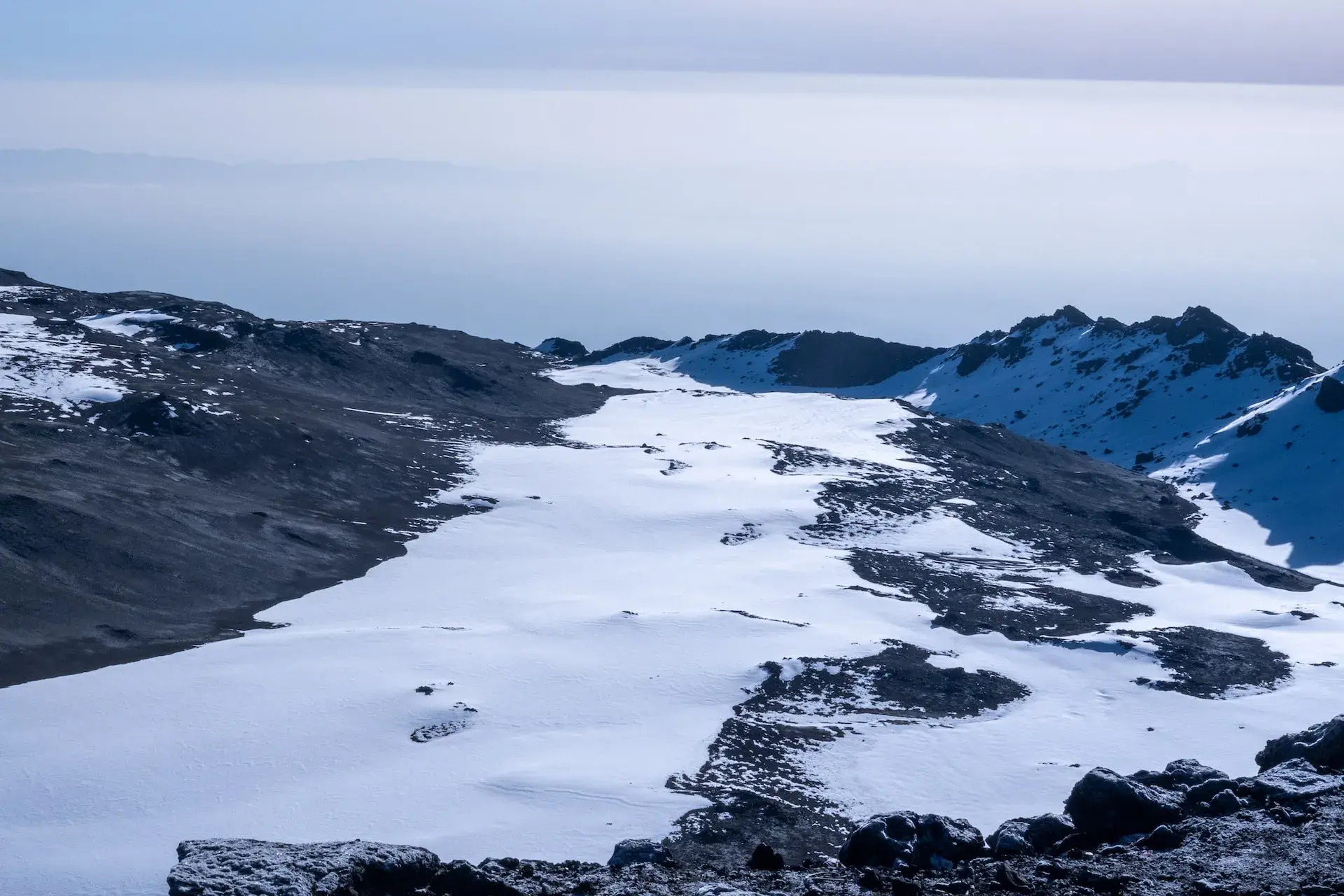
LuiTours offers this route in 8 Days formats. The confirmed programmes begin with Londorossi Gate to Mti Mkubwa and finish with Mweka Camp to Mweka Gate, using camping in mountain tents and the day-by-day mountain stages shown below.
Its principal advantage is the route’s gradual progression and generous trekking rhythm. The 7-day and 8-day versions spread altitude gain across several stages, with climb-high, sleep-low movement around Lava Tower helping acclimatization. The route is still physically demanding, but its pacing gives trekkers time to settle into mountain life and respond carefully to altitude.
Lemosho suits first-time Kilimanjaro climbers as well as experienced walkers who value scenery, camping and a less hurried western approach. Highlights include the Shira Plateau, views across the western breach, the Barranco Wall and the Southern Circuit. Summit night usually begins at Barafu, reaches Stella Point, and continues along the crater rim to Uhuru Peak.
Lemosho at a glance
A scenic western approach, balanced daily pacing and a well-spaced acclimatization profile make Lemosho suitable for trekkers who want a complete and unhurried Kilimanjaro journey.
Daily Itinerary
Why We Recommend the 8-Day Itinerary
The 8-day Lemosho adds a crucial extra night at Karanga Camp (4,200m) before ascending to Barafu. This additional acclimatization day boosts summit readiness significantly, reduces altitude sickness, and makes the overall experience far more enjoyable. For most climbers - especially those with limited high-altitude experience - this is the smarter, safer choice.
Elevation: 2,100m to 2,750m. Hiking Time: 3-4 hours. Distance: 6 km. Difficulty: Easy. Habitat: Rainforest. The published route for this stage is Londorossi Gate to Mti Mkubwa. The trail crosses rainforest terrain with a easy grading. The stated elevation range is 2,100m to 2,750m.
Elevation: 2,750m to 3,500m. Hiking Time: 6-7 hours. Distance: 8 km. Difficulty: Moderate. Habitat: Moorland. The published route for this stage is Mti Mkubwa to Shira 1 Camp. The trail crosses moorland terrain with a moderate grading. The stated elevation range is 2,750m to 3,500m.
Elevation: 3,500m to 3,850m. Hiking Time: 4-5 hours. Distance: 10 km. Difficulty: Easy. Habitat: Moorland. The published route for this stage is Shira 1 Camp to Shira 2 Camp. The trail crosses moorland terrain with a easy grading. The stated elevation range is 3,500m to 3,850m.
Elevation: 3,850m to 3,960m (via 4,640m). Hiking Time: 6-7 hours. Distance: 10 km. Difficulty: Challenging. Habitat: Alpine Desert. The published route for this stage is Shira 2 Camp to Barranco Camp via Lava Tower. The trail crosses alpine desert terrain with a challenging grading. The stated elevation range is 3,850m to 3,960m (via 4,640m).
Elevation: 3,960m to 4,035m. Hiking Time: 4-5 hours. Distance: 5 km. Difficulty: Moderate. Habitat: Alpine Desert. The published route for this stage is Barranco Camp to Karanga Camp. The trail crosses alpine desert terrain with a moderate grading. The stated elevation range is 3,960m to 4,035m.
Elevation: 4,035m to 4,640m. Hiking Time: 4-5 hours. Distance: 4 km. Difficulty: Moderate. Habitat: Alpine Desert. The published route for this stage is Karanga Camp to Barafu Camp. The trail crosses alpine desert terrain with a moderate grading. The stated elevation range is 4,035m to 4,640m.
Elevation: 4,640m to 5,895m, then down to 3,080m. Hiking Time: 12-15 hours. Distance: 18 km. Difficulty: Very Challenging. Habitat: Arctic to Rainforest. The published route for this stage is Barafu Camp to Uhuru Peak to Mweka Camp. The trail crosses arctic to rainforest terrain with a very challenging grading. The stated elevation range is 4,640m to 5,895m, then down to 3,080m.
Elevation: 3,080m to 1,640m. Hiking Time: 3-4 hours. Distance: 10 km. Difficulty: Easy. Habitat: Rainforest. The published route for this stage is Mweka Camp to Mweka Gate. The trail crosses rainforest terrain with a easy grading. The stated elevation range is 3,080m to 1,640m.
How the 7-Day Itinerary Differs
The 7-day Lemosho combines Days 5 and 6 of the 8-day version by moving directly from Karanga Camp to Barafu Camp on the same afternoon after the Barranco Wall scramble. This skips the extra acclimatization night at Karanga and results in a longer, more tiring Day 5 before the summit push. The summit day (Day 6), descent (Day 7), and gate exit remain identical. We recommend the 8-day version for most climbers, but the 7-day is a good option for very fit individuals or those with prior high-altitude experience.
Londorossi Gate is the starting point for today’s journey to Big Tree Camp (Forest Camp). This section is walked at a sustainable pace, with time to read the terrain, adjust layers and take in the changing mountain landscape.
Vegetation, temperature and views change as the trail gains or loses height, so regular water breaks and a steady rhythm matter more than speed.
The morning starts in Shira 1, with Shira 2 Camp (via Shira Cathedral) as the final point on today’s route. Vegetation, temperature and views change as the trail gains or loses height, so regular water breaks and a steady rhythm matter more than speed.
From Shira 2, you set out for Barranco Camp at a pace suited to the distance and planned activity. The trail climbs into sparse alpine desert around Lava Tower before descending to sleep lower. This deliberate gain and loss of altitude is an important acclimatization stage, and the pace is adjusted to how the group is responding. On the Lemosho Route - 7 & 8 Day Kilimanjaro Climb, this is the main focus of day 4.
The Barranco Wall is a hands-on mountain passage rather than a technical climb. Guides manage spacing and point out secure foot and hand placements before the route opens toward the Karanga Valley and Kilimanjaro’s southern glaciers.
The morning starts in SUMMIT NIGHT - Barafu, with Mweka Camp as the final point on today’s route. The climb starts in the cool, dark hours and follows a slow, deliberate pace toward the crater rim or summit. Conditions, altitude and each trekker’s wellbeing determine progress; the descent then continues to the camp or gate named in the route. On the Lemosho Route - 7 & 8 Day Kilimanjaro Climb, this is the main focus of day 6.
Today’s stage links Mweka Camp with Moshi (Celebration!), giving the journey a clear sense of place from beginning to end. The descent leaves the alpine slopes for heath and then rainforest, with warmer air and denser vegetation returning quickly. Careful footwork matters on steeper or damp sections before the walk finishes at Mweka Gate. On the Lemosho Route - 7 & 8 Day Kilimanjaro Climb, this is the main focus of day 7.
From Price
Minimum price only, based on 2 people sharing. Final pricing depends on season, availability and requested customizations.
| Package | From Price |
|---|---|
| 8 Days route | From $1,900 per person |
What's Included & Excluded
- Professional, experienced, mountain guides
- Guides, Porters, Cook salaries, and park fees
- Emergency Oxygen Cylinder
- All meals while on the Mountain
- Quality Mess tents with tables and chairs
- Large portions of fresh, healthy, nutritious food
- Clean, purified drinking water
- Conservation fees (part of park fees)
- Camping or Hut fees (part of park fees)
- Rescue fees (part of park fees)
- VAT (18% charged by the Government)
- Kilimanjaro summit certificate
- All transfers to the mountain and back to your hotel
- Alcohol and soft drinks
- Sleeping bag
- Flights
- Visa fees
- Tips
- Personal spending money for souvenirs
- Travel insurance
Tips
Tips are not included in the published tour price.
Essential Gear & Packing List
The Lemosho Route passes through four distinct climate zones: equatorial rainforest (warm, humid), heath & moorland, alpine desert, and arctic summit (-15 - C to -25 - C). Layering is the key - never try to bring one heavy jacket instead of multiple adaptable layers.
Clothing Layers
- Moisture-wicking base layers (2 sets)
- Fleece mid-layer (zip-neck)
- Down jacket (600+ fill power)
- Hardshell waterproof jacket
- Waterproof trousers
- Trekking trousers (2 pairs)
- Thermal underwear (top + bottom)
Footwear & Feet
- Waterproof ankle-high trekking boots (broken in)
- Camp shoes / sandals
- Wool hiking socks (4-5 pairs)
- Liner socks
- Gaiters (for summit day)
- Trekking poles (highly recommended)
Head, Hands & Eyes
- Warm beanie / balaclava
- Sun hat / baseball cap
- Lightweight trekking gloves
- Heavyweight summit mittens
- Glacier sunglasses (UV400 cat. 4)
- Headtorch + spare batteries
Pack & Carry
- Day pack 25-35L (you carry daily)
- Duffle bag 80-100L (porters carry)
- Pack rain cover
- Dry bags / stuff sacks
- Hydration bladder or 2L water bottles
Health & Hygiene
- Diamox (acetazolamide) - consult doctor
- Personal first aid kit & blister care
- Biodegradable soap & hand sanitiser
- Wet wipes (mountain "showers")
- Sunscreen SPF50+ & lip balm (SPF)
- Personal prescription medications
? Summit Night Essentials
- Thermos flask (filled with hot drink)
- High-energy snacks (gels, nuts, bars)
- Hand warmers (chemical, 8-10hr)
- Extra headtorch batteries
- Camera (keep inside jacket to keep warm)
- Positive mental attitude
Best Time to Climb Lemosho
Kilimanjaro can be climbed year-round. Two dry seasons offer the best summit conditions. The long rains (April - May) and short rains (November) make trails slippery and cloud cover reduces the extraordinary views that make Lemosho special.
| Climate Zone | Altitude | Day Temp | Night Temp | Conditions |
|---|---|---|---|---|
| Rainforest (Days 1-2) | 1,800-3,000m | 15-25 - C | 8-15 - C | Humid, possible afternoon rain |
| Heath & Moorland (Days 2-3) | 3,000-4,000m | 5-15 - C | 0-5 - C | Clear mornings, clouds in afternoon |
| Alpine Desert (Days 4-6) | 4,000-4,800m | 0-10 - C | -5-0 - C | Dry, thin air, intense UV |
| Arctic Summit (Day 7) | 4,800-5,895m | -10 - -5 - C | -15 - -25 - C | Arctic conditions, wind, ice possible |
Altitude Zones & Acclimatization
The Lemosho's extended itinerary is specifically designed to optimise acclimatization at each altitude band. Understanding what happens to your body at each zone helps you manage expectations and make good decisions on the mountain.
Diamox (Acetazolamide) - Our Guides' Recommendation
Many climbers use Diamox (125-250mg twice daily, starting 2 days before the climb) as an acclimatization aid. It increases your breathing rate and speeds the body's acclimatization response. Consult your doctor before travel. Common side effects: increased urination and tingling in fingers/toes - both completely harmless. Do not take if allergic to sulphonamide drugs.