
Year-Round · Small Groups · 100% Authentic

2-Day Maasai Village Tour —
Live the Warrior Life at Olpopongi

Overview
Itinerary
Pricing
Included
FAQ
01

Tour Overview

2days
Full Immersion
1night
In Traditional Boma
8max
Small Group
~2hrs
Drive from Moshi
$250+
From / person
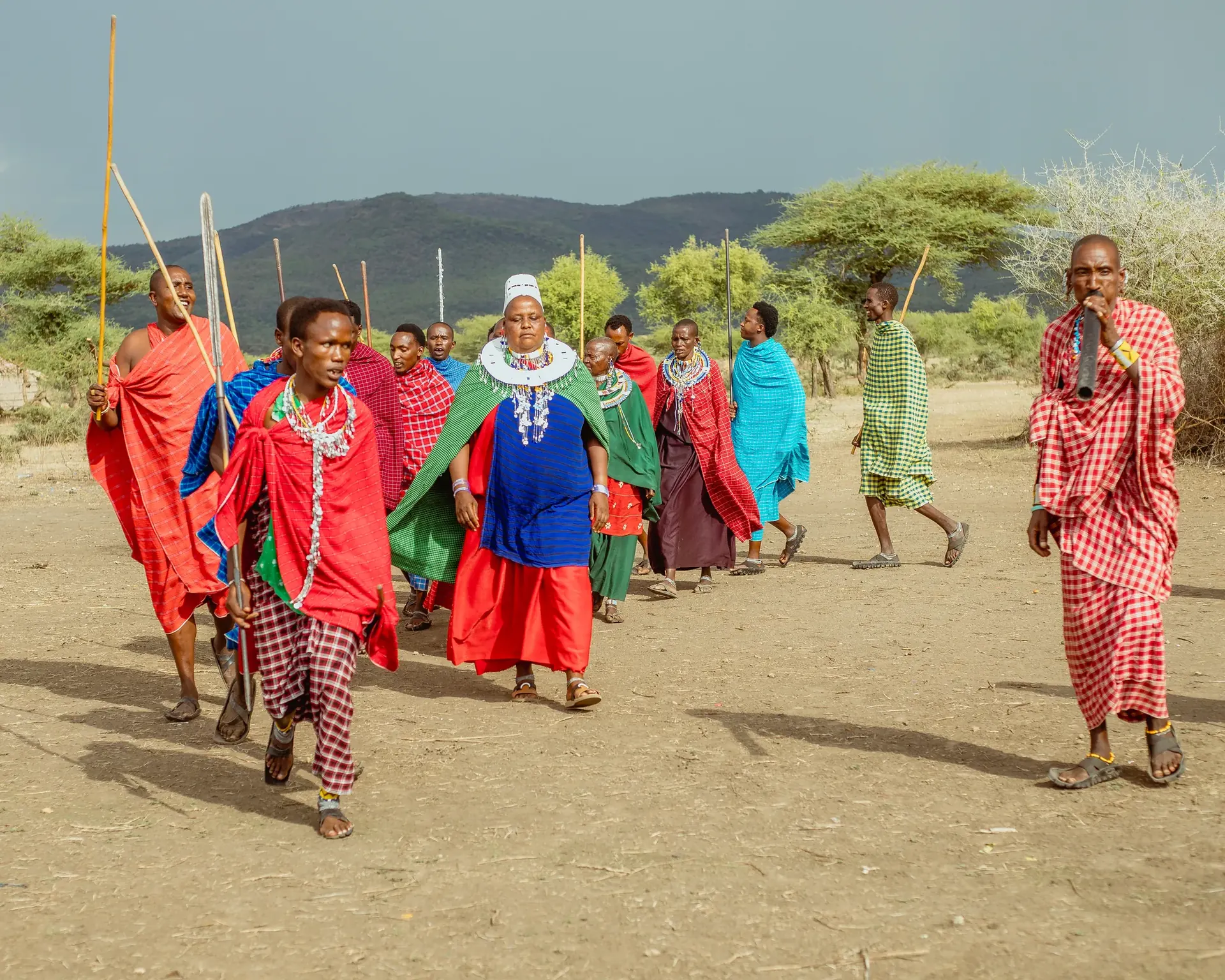
Maasai warriors at Olpopongi Village

Tanzania is home to more than 125 peacefully co-existing ethnic groups, but none capture the imagination quite like the Maasai — East Africa's iconic warrior people, whose red-checked shukas, towering jumps, and fierce sense of identity have remained almost entirely unchanged for centuries.

At Olpopongi Village, west of Kilimanjaro, LuiTours offers something rare and remarkable: a chance to step beyond the tourist surface and into the living, breathing heart of Maasai culture. This is not a performance — this is a 100% traditionally built boma where real Maasai families live year-round, welcoming curious travellers as genuine guests.

Over two unforgettable days, you'll sleep in a mud-and-thatch hut, gather around a campfire, learn fire-making the ancient way, walk into the bush with herbal medicine specialists, and share meals prepared by Maasai women — all within sight of the twin giants Kilimanjaro and Mount Meru on the horizon.

Why This Tour Is Unlike Anything Else

Authentic overnight boma stay · Small group (max 8) · Maasai-guided bush herbal walk · Campfire storytelling · Kilimanjaro & Meru views · Wildlife corridor drive with zebra & elephant · Perfect add-on to any safari or Kilimanjaro climb.

Fire-Making & Warrior Skills
Learn the ancient Maasai technique of starting fire from sticks — a skill passed from warrior to warrior for millennia. Try the jumping dance, learn weapon-handling, and hear the stories of the morani (young warriors).
Herbal Bush Walk
Join Maasai herbal specialists on a guided walk through the surrounding bush, discovering plants used for healing, protection, and nutrition — a living pharmacy developed over generations of nomadic knowledge.
Kilimanjaro Sunrise
Wake before the sun to see Kilimanjaro and Mount Meru painted in pink and gold light — a sight that visitors describe as the most beautiful moment of their entire Africa trip. Cold, clear air, birdsong, and total silence.
Beadwork & Crafts
Maasai beadwork is a complex language — colours and patterns communicate age, social status, and life events. Maasai women will teach you the meaning behind the intricate jewellery and how the craft is made.
Wildlife Corridor Drive
The drive through the outback west of Kilimanjaro is itself a game drive — zebra, elephant, giraffe, and plains game roam freely through this wildlife corridor depending on season. Keep your camera ready from the first km.
Campfire Cross-Cultural Night
As stars emerge over the savanna, gather around the campfire with your Maasai hosts for storytelling, traditional songs, and the kind of deep conversation between strangers that only happens in extraordinary places.
02

Daily Itinerary

A Rare 2-Day Cultural Immersion — Not a Day Trip

Unlike short "Maasai village visits" that take 2 hours and feel transactional, this 2-day experience allows real relationships to develop. You arrive as a visitor and leave as someone who has genuinely lived a different life — even if only for 48 hours. The overnight stay is what makes this experience transformative, not touristic.

Day1
Moshi Olpopongi Maasai Village
~2 hr drive west of Kilimanjaro Wildlife corridor transit Village arrival & welcome ceremony Traditional singing & dancing

Starting from Moshi, the journey leads to Olpopongi Maasai Village through the landscapes named in the program. The cultural visit is approached as an exchange rather than a performance. Conversation provides context on pastoral traditions, family life and the ways communities balance heritage with contemporary realities.
Guide's Tip: Bring a notebook.
Moshi Olpopongi Maasai Village
Day2
Olpopongi Village Kilimanjaro Sunrise Moshi
Pink Kilimanjaro sunrise Final village time Farewell & return to Moshi Back by lunchtime

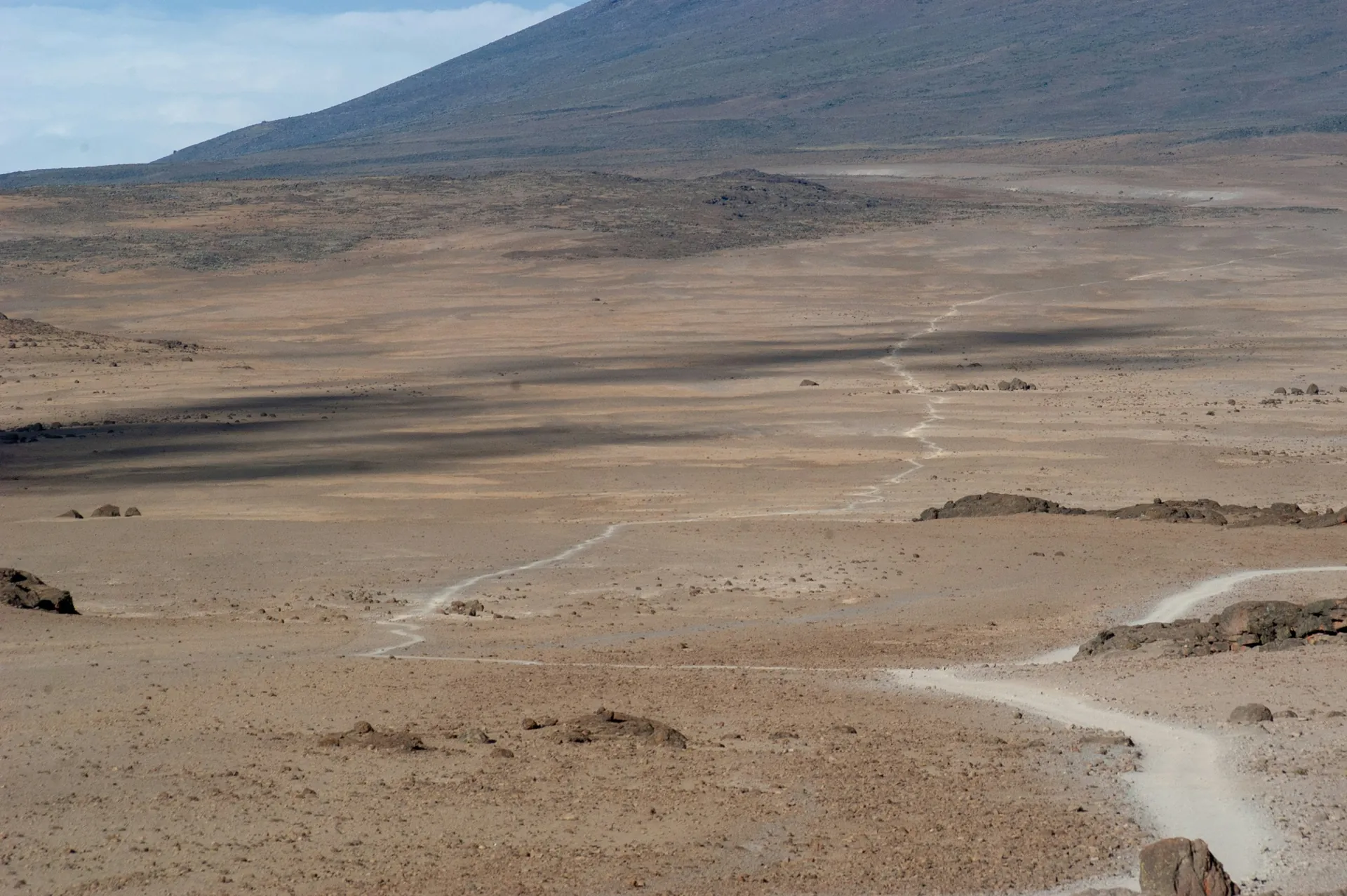
From Olpopongi Village, you set out for Moshi at a pace suited to the distance and planned activity. This section is walked at a sustainable pace, with time to read the terrain, adjust layers and take in the changing mountain landscape.
Guide's Tip: If you plan to climb Kilimanjaro or continue on safari, this tour slots perfectly at the start of your trip — the perspective on Tanzania's landscape gained at Olpopongi.
Olpopongi Village Kilimanjaro Sunrise Moshi

From Price

Minimum price only, based on 2 people sharing. Final pricing depends on season, availability and requested customizations.

Package From Price
Price for 2 People From $250 per person
03

What's Included

Included in Your Price

Return transfers from Moshi (hotel pickup)
All Olpopongi village entrance & cultural fees
Traditional boma accommodation (overnight)
All meals: lunch & dinner Day 1, breakfast Day 2
Bottled drinking water throughout
English-speaking professional cultural guide
Guided herbal bush walk with Maasai specialists
Village museum & history orientation
Fire-making, adumu dance & warrior activity sessions
Campfire storytelling evening
All government taxes
24/7 WhatsApp support from LuiTours

Not Included

International flights to Tanzania
Tanzania visa fee ($50 USD)
Travel insurance (strongly recommended)
Alcoholic and soft drinks
Personal spending money / souvenirs
Optional beadwork or craft purchases
Tips for your guide (recommended: $15–$20/day)
Meals in Moshi hotels (before/after tour)
04

What to Pack

Olpopongi village sits at around 1,000–1,200m elevation, meaning days are warm and pleasant and nights are cool but not cold. Pack light — this is a cultural experience, not a trekking expedition. Respectful, comfortable clothing is the key.

Clothing
  • Lightweight long trousers (men & women)
  • Long-sleeved shirts / blouses
  • Comfortable walking shoes or trainers
  • Light fleece or sweater for evenings
  • Hat or cap for sun protection
  • Modest swimwear not required
  • Conservative dress is appreciated
Essentials
  • Small daypack / backpack
  • Sunscreen SPF50+ & lip balm
  • Insect repellent (DEET-based)
  • Personal prescription medications
  • Camera / memory cards
  • Power bank for charging
  • Small torch / phone flashlight
Overnight Items
  • Lightweight sleeping bag liner (optional)
  • Biodegradable soap & hand sanitiser
  • Wet wipes (limited shower access)
  • Ear plugs (village sounds early morning)
  • Personal toiletries in small bag
  • Change of clothes for Day 2
  • Notebook & pen for reflections
Optional: Thoughtful Gifts for the Village

If you'd like to bring a small gift for the community, we recommend coloured pencils, notebooks, or small books — particularly anything educational. Please avoid giving sweets, money directly to children, or single-use plastic items. Discuss with your LuiTours guide for current community preferences before your trip.

05

Best Time to Visit

The Olpopongi Maasai Village tour runs year-round, and there is no truly bad time to go. However, the dry seasons offer the clearest Kilimanjaro views, better wildlife spotting on the drive, and more comfortable outdoor evenings around the campfire.

Jan
Excellent
Feb
Excellent
Mar
Good
Apr
Possible
May
Possible
Jun
Excellent
Jul
Peak
Aug
Peak
Sep
Excellent
Oct
Excellent
Nov
Good
Dec
Excellent
SeasonMonthsConditionsWildlife DriveKili Views
Peak Dry SeasonJul – OctWarm days, cool nights, no rainExcellent — herds near waterCrystal clear most mornings
Short Dry SeasonJan – FebHot, mostly dry, occasional cloudsVery goodClear most days
Short RainsNov – DecAfternoon showers, lush and greenGood — vegetation covers gameOften hazy / cloudy
Long RainsApr – MayHeavy afternoon rain, muddy roadsFair — still great for birdingRare clear views
06

Maasai Culture — Essential Guide

Understanding a little about Maasai culture before you arrive transforms a fascinating experience into a truly profound one. Here are the key things to know about the people you'll be spending two days with.

The Red Shuka — More Than a Colour
Dress & Identity
The iconic red-checked shuka (blanket-robe) worn by Maasai warriors is not simply clothing — it is an identity marker, a status signal, and a spiritual protection. Different patterns, colours, and beadwork on accessories communicate age, life stage, marital status, and social rank to any Maasai who sees them. At Olpopongi, you'll have the patterns explained, and may be invited to try wearing one.
Beadwork — A Language Written on the Body
Art, Craft & Communication
Maasai beadwork is one of the most sophisticated cultural communication systems in Africa. Each colour carries meaning: red for bravery and strength; white for peace and purity; blue for energy and sky; green for land and nourishment. Women are the primary beadwork artisans, creating elaborate collars, bracelets, and headdresses that tell life stories at a glance.
The Morani — Warrior Age Group
Social Structure & Passage of Life
Maasai society is organised around age-sets — groups of men who pass through life stages together: junior warriors (morani), senior warriors, junior elders, senior elders. The morani are responsible for the community's protection and are defined by their fearlessness, physical prowess, and vibrant cultural expression including the adumu jumping dance.
Cattle — The Currency of Everything
Economy, Spirituality & Status
Cattle are not simply livestock for the Maasai — they are the foundation of wealth, the medium of important social transactions (bride price, compensation), and deeply spiritual beings. The Maasai believe God gave them all the cattle on earth at the beginning of time. The size and quality of a family's herd is the primary measure of prosperity.
Cultural Etiquette at Olpopongi
How to Be a Great Guest
Ask before photographing individuals. Accept food or drink offered with your right hand. Greet elders first when entering a space. Avoid pointing with a single finger — use your whole hand. Loud or boisterous behaviour is considered disrespectful. Dress modestly, particularly women. These small gestures of respect will be noticed and deeply appreciated by your hosts.
07

Frequently Asked Questions

Olpopongi is a real, 100% traditionally built boma where Maasai families genuinely live year-round. It is not a reconstructed "display village" created for tourism. The community has chosen to welcome small groups of respectful visitors as a way of both sharing their culture and generating supplementary income that supports the village directly. This distinction — authentic living community vs. tourist recreation — is exactly what makes the Olpopongi experience so different from similar offerings elsewhere.
You'll sleep in a traditional Maasai mud-and-thatch hut (the same style Maasai have slept in for centuries), with a basic mattress and bedding provided. Conditions are clean but genuinely rustic — this is not a lodge or a glamping tent. There are no power sockets in the huts, limited lighting, and bathroom facilities are communal and simple. We recommend bringing a sleeping bag liner for extra comfort and a small power bank for your devices. The experience of sleeping in these conditions — hearing the sounds of the village at night, seeing stars through the roof — is part of what makes this trip unforgettable.
Meals at Olpopongi are prepared by Maasai women using traditional methods and local ingredients. Expect hearty, flavourful food — typically involving ugali (maize porridge), rice, beans, meat (beef or goat), vegetables, and fresh fruit. Traditional Maasai chai (spiced tea) is served throughout the day. Vegetarian dietary requirements can be accommodated with advance notice — please let LuiTours know when booking. All drinking water is provided as sealed bottled water.
Absolutely — this is one of the very best Tanzania experiences for families with children. The activities are engaging and hands-on: fire-making, jumping dance, herbal walks, and interaction with village children are all naturally child-friendly. Children aged 5 and above enjoy this tour greatly. The main consideration is the overnight rustic accommodation — if your children are comfortable camping or staying in basic accommodation, they'll have an extraordinary time. Infants and toddlers require more assessment — contact us to discuss.
Yes — and this is one of our most popular combinations. Many travellers do the Maasai village tour as an arrival experience before a Kilimanjaro climb (it's perfect for the first 2 days in Tanzania while your body adjusts to the elevation and timezone), or as a cultural interlude between a northern circuit safari and a beach extension in Zanzibar. LuiTours designs complete Tanzania itineraries combining all these elements — contact us for combination pricing, which is always better than booking experiences separately.
The tour starts from $250 per person. Pricing is influenced by group size (private tours cost more per person than shared departures) and any customisation to the itinerary. The price includes all village fees, accommodation, all meals, return Moshi transfers, and your professional guide. The only significant additions are your Tanzania visa ($50), tips for your guide (recommended $15–20/day), personal spending on souvenirs or optional purchases, and any extension nights in Moshi before or after. Contact LuiTours via WhatsApp for an exact personalised quote within 2 hours.
Photography is warmly welcomed at Olpopongi — but with respect. Always ask the individual before photographing them, particularly women and elders. A warm smile and holding up your camera as a question works across any language barrier. During ceremonies, dance performances, and formal cultural activities, photography is generally openly encouraged. Your LuiTours guide will navigate any moments where photography is not appropriate. Never photograph inside huts without explicit permission. As a general principle: connect first, photograph second — and the photographs you take will be infinitely better for it.